Peak Demand Problem Statement
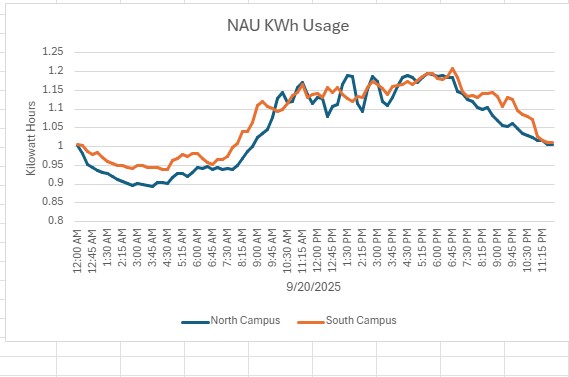
NAU experiences high peak electricity demand, especially during cold mornings and periods when many buildings start large HVAC and heating loads at the same time. These peaks drive significant demand-based charges on the university’s utility bill.
The project documents show that:
- Peak demand charges from APS make up a large share of monthly costs.
- Current solar arrays and batteries are not fully coordinated with campus operations.
- There is an opportunity to reduce both costs and emissions by reshaping when energy is used.
Our goal is to design strategies that use renewable resources and storage to actively shave these peaks, rather than relying only on traditional grid power.

South Campus Cost & Demand Analysis
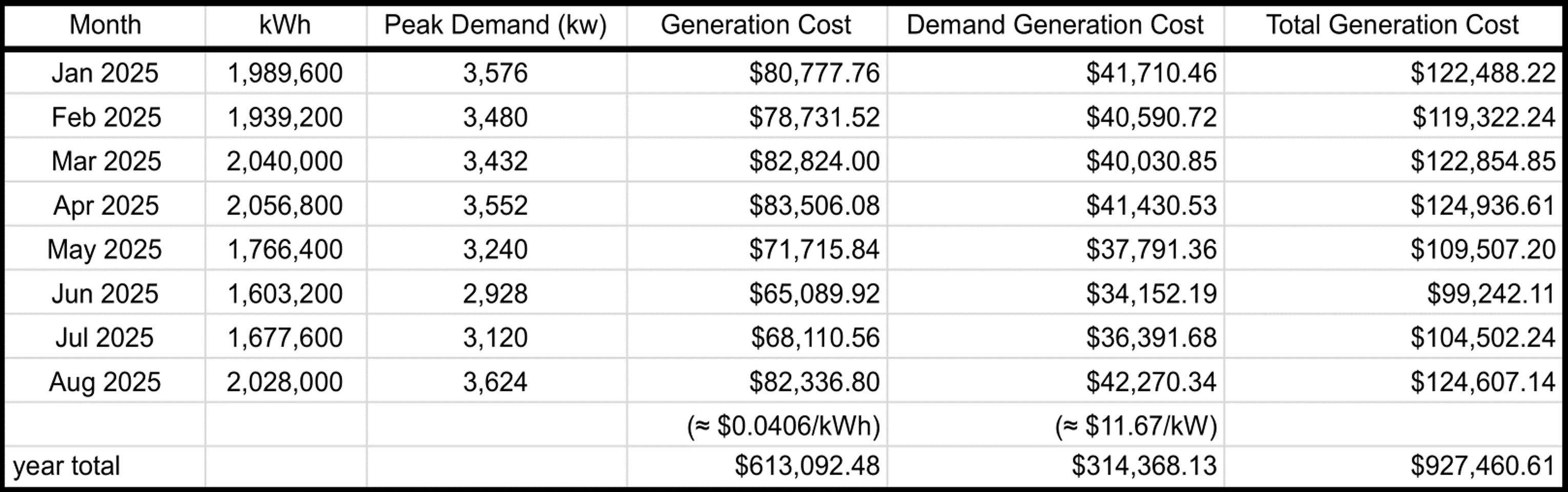
The capstone presentation summarizes a South Campus case study. Monthly generation charges are roughly constant on a per-kWh basis, while demand charges depend heavily on the single highest peak each month.
- Generation: about $0.0406 per kWh across multiple months in 2025.
- Demand generation: around $11.66–$11.67 per kW of peak demand.
- Combined annual demand-related costs reach well into six figures.
Even a modest reduction in peak power consumption such as a few hundred kilowatts can become substantial annual savings when multiplied by the utility’s demand rates.
By combining solar power, advanced thermal energy storage, and smarter load scheduling, our design aims to permanently reduce these peaks while keeping comfort and reliability for students and staff.
Renewable-Oriented Peak Demand Strategy
The proposal and presentation outline a three-part strategy for addressing peak demand using renewable and sustainable technologies:
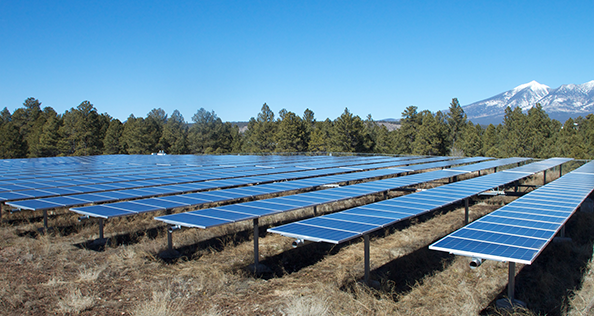
- Solar Generation – Use rooftop and ground-mounted photovoltaic arrays to supply clean electricity during daytime hours and reduce reliance on grid power. This directly reduces the power draw from the grid during high solar production hours.
-
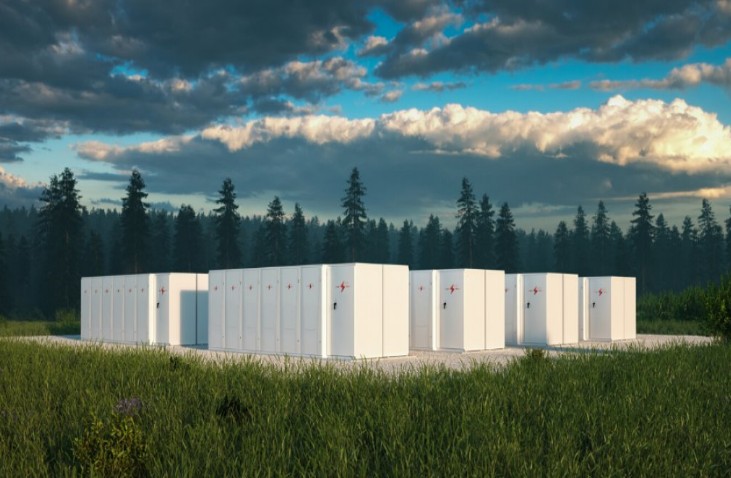
Energy Storage – Store energy in both batteries and thermal media so it can be
used during peak hours instead of drawing from the grid. This component is crucial for shifting electrical load away from high-cost windows.
We are specifically investigating sensible thermal energy storage (TES) systems, such as large-scale systems utilizing sand or ceramic media. These materials are highly effective at storing heat (thermal energy) at elevated temperatures.
The stored heat can be strategically deployed to mitigate the large, early-morning heating peaks caused by the campus buildings. This TES system would be designed to integrate directly with NAU's existing central steam system.
- Charging: When campus electricity demand is low such as late at night, electricity is used to heat the storage media (sand/ceramics) via electric resistance heaters.
- Discharging: During peak demand period, the stored heat is released to generate steam or pre-heat feedwater, reducing the electrical load on the main campus boilers. By offsetting the electrical load required for heating, we effectively shave the costly electricity peak.
- Load Shifting & Smart Controls – Adjust when major loads operate so that they line up with renewable availability and avoid critical peak windows. This includes using the smart controls to manage the TES system's charging and discharging cycles to maximize demand charge avoidance, while still maintaining environmental comfort for students and staff.
This approach is deliberately renewable-oriented: the design starts from clean generation and storage, then layers controls on top to maximize the impact of every kilowatt-hour produced.