Copperhead Engineers
Copperhead Engineers
Project Description
The following project is associated with the Water Environment Federation student design competition, in partnership with AZ Water Association. The project is meant to design a completely new, 30 million gallon per day (MGD) Advanced Water Purification Facility (AWPF). In conjunction with the preexisting 91st Avenue Wastewater Treatment Plant (WWTP) and Tres Rios Flow Regulating Wetlands (FRW), located in Tolleson Arizona. The facility is to use Physical Separation and Advanced Oxidation Process (AOP).
The 91st Ave WWTP opened in 1958, expanding the facility in the early 2000s to increase the water produced by the facility. In 2012 the Tres Rios Wetlands opened next to the WWTP and have continually undergone restoration efforts near the Salt and Gila Rivers.
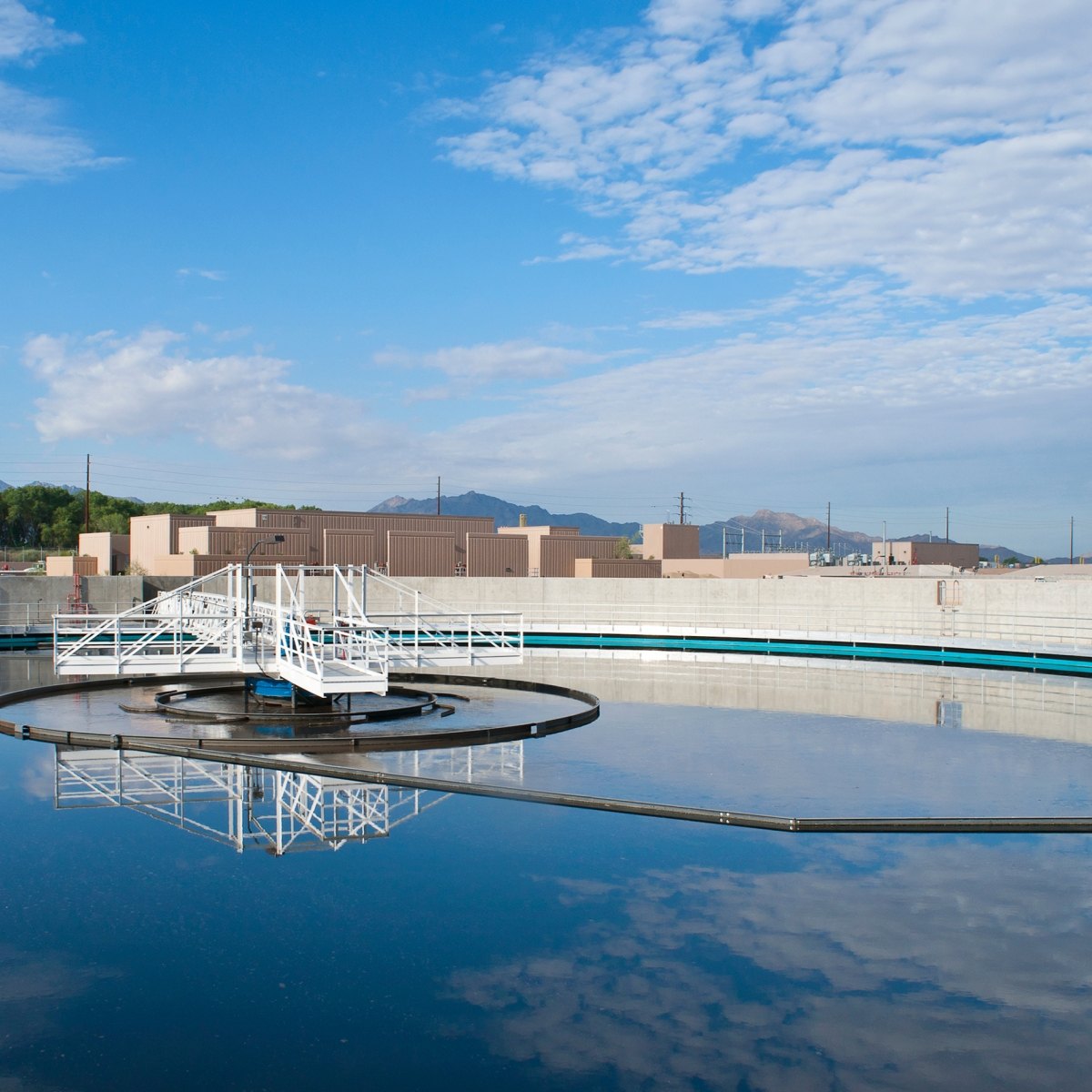
Figure 3: 91st Avenue Wastewater Treatment Facility
Project Location
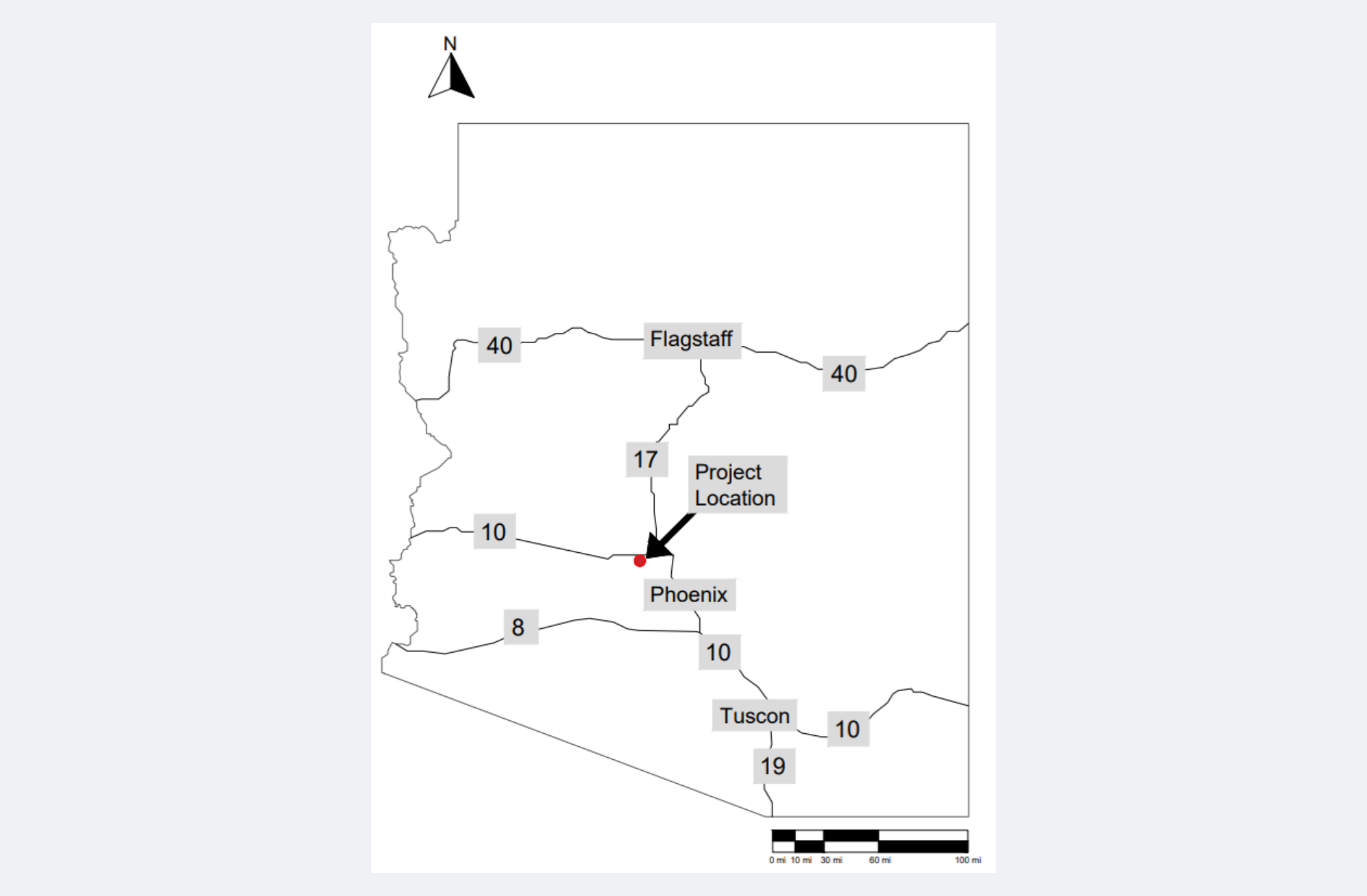
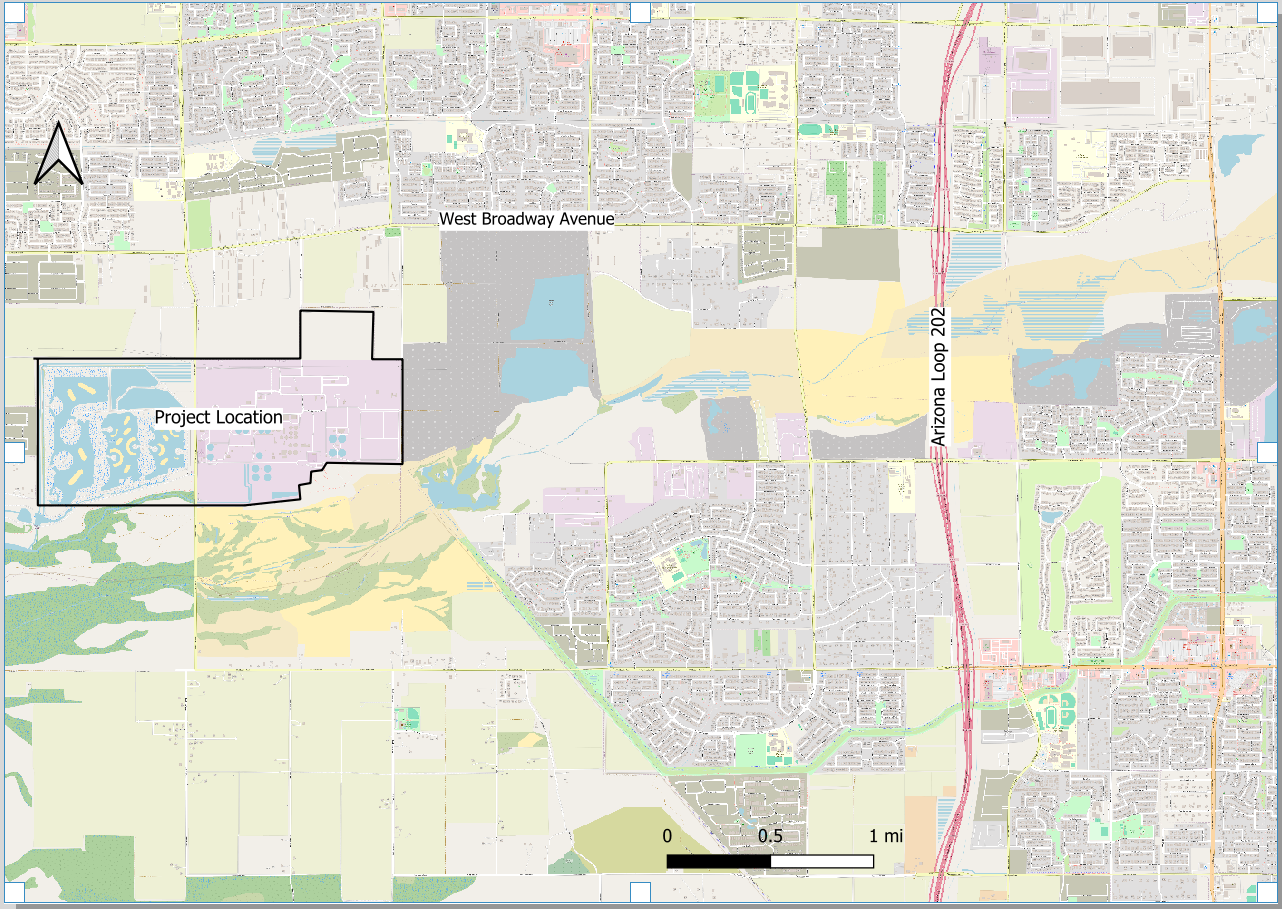
Figure 5: Vicinity Map
Figure 4: Location Map
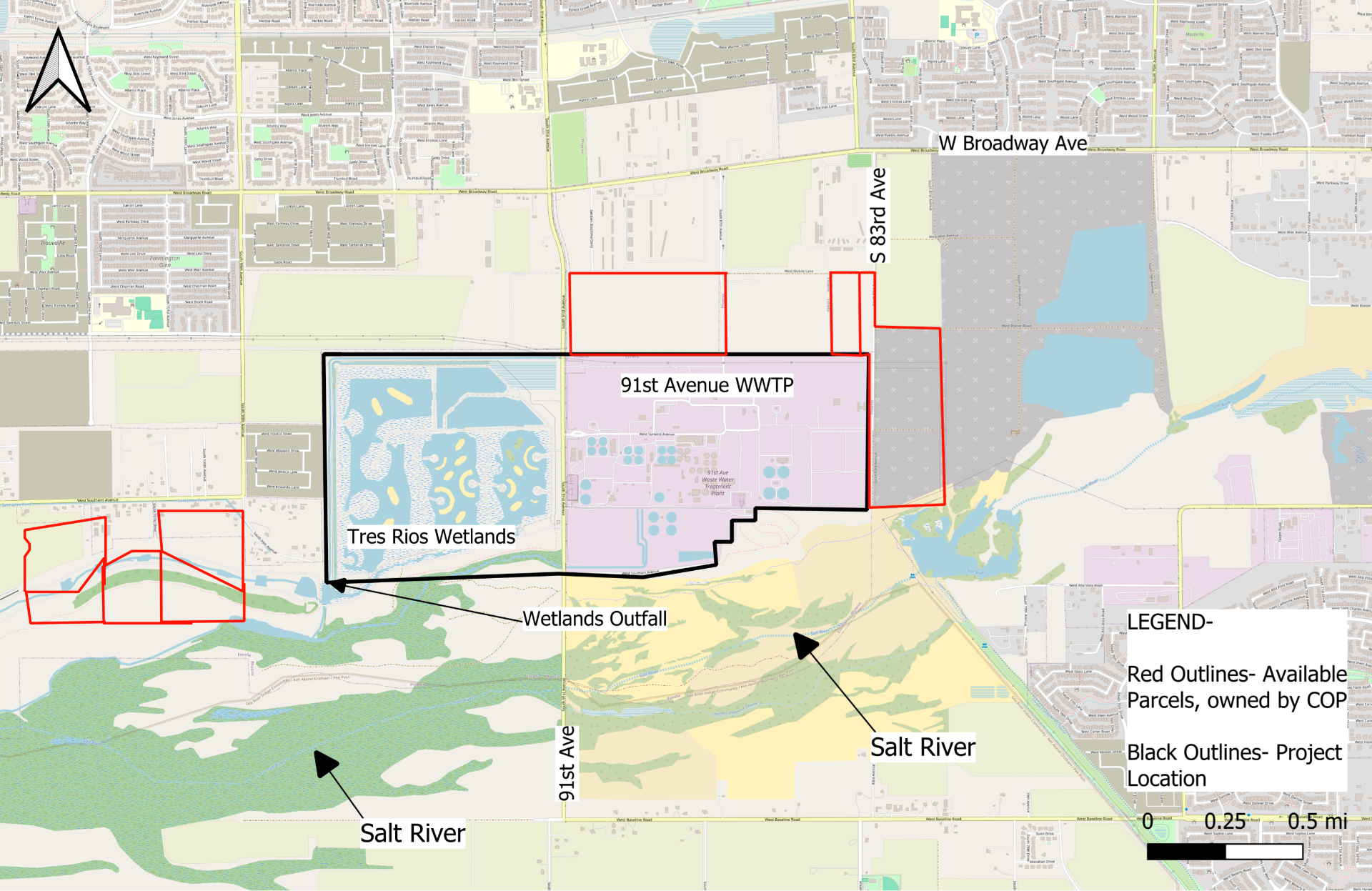
Figure 6: Site Map
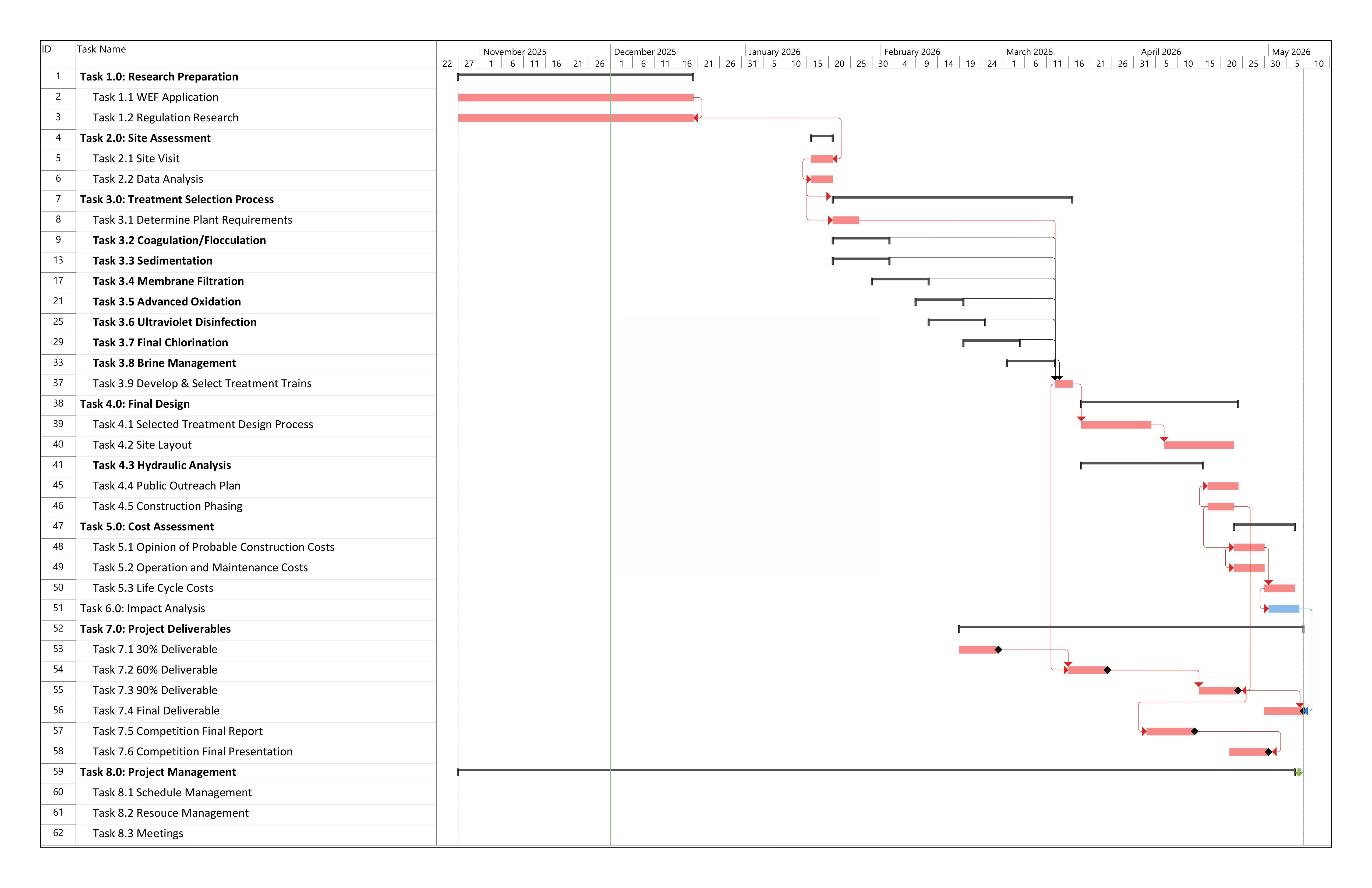
Figure 7: Gantt Chart
The project is organized into eight major task groups that run from late October 2025 through mid-April 2026. The timeline starts with Task 1.0: Research Preparation (WEF application and regulation research), followed by Task 2.0: Site Assessment (site visit and data analysis). We then move into Task 3.0: Treatment Selection Process, where we define plant requirements and evaluate key treatment processes such as coagulation/flocculation, sedimentation, membrane filtration, advanced oxidation, UV disinfection, final chlorination, and brine management. The schedule then transitions into Task 4.0: Final Design (detailed treatment design, site layout, hydraulic analysis, public outreach plan, and construction phasing), followed by Task 5.0: Cost Assessment, Task 6.0: Impact Analysis, and Task 7.0: Project Deliverables, which include our 30%, 60%, 90%, and final design packages, as well as the competition report and final presentation. Task 8.0: Project Management runs in parallel throughout the project for schedule, resource management, and team meetings.
The critical path represents the sequence of tasks that directly controls the overall project completion date. Any delay in one of these activities will immediately delay the entire capstone project. Because of this, the critical path is the most important part of our project schedule. For our engineering capstone, the critical path includes the core technical work and required deliverables, such as site assessment, treatment process selection, hydraulic and final design, cost analysis, impact evaluation, and the 30%, 60%, 90%, and final design submittals. These tasks must happen in a specific order and cannot be skipped or significantly overlapped without
affecting the project outcome.
By closely monitoring the critical path, we ensure that essential technical decisions are completed on time, revisions can be made without schedule failure, and our final design is delivered by the required deadline. This approach reflects real-world engineering project management practice, where controlling the critical path is necessary to protect schedule, quality, and accountability.
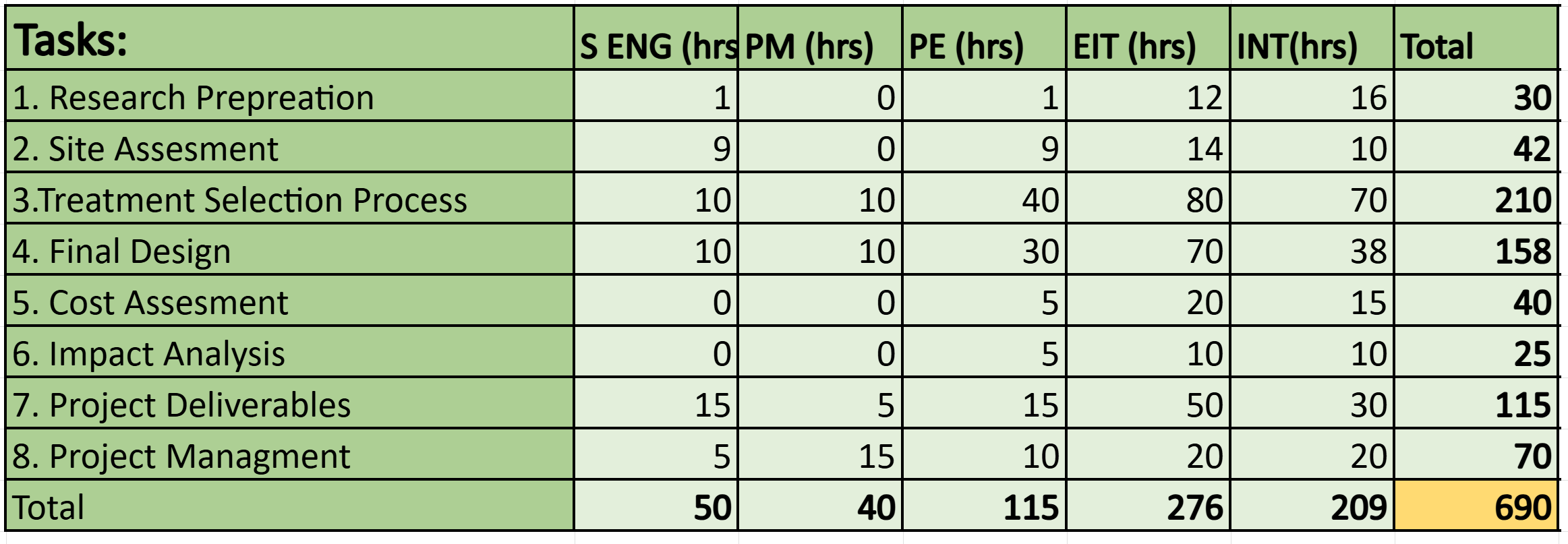
Table 1- Staffing
Role Description
SENG - They oversee engineering design processes such as client meetings and design review. The SENG will not have as many billable hours as the rest of the engineering roles due to their higher billable rate.
PM - The P.M. is a direct point of contact for technical and non-technical roles throughout the facility design.
PE - The PE handles the more complex design tasks and reviews the work of lower-level engineers before it is reviewed by the SENG.
EIT - The EIT is in charge of completing data collection and organization, calculations and analysis, reports, and preliminary designs of the project. Depending on the knowledge and experience of the EIT, responsibilities can vary. The EIT is the first point of contact for the intern when there are questions but can go up the chain of command if the answer is unknown.
INT - This role is minimal, working on redlines, simple drafting, some calculations, and data collection. The intern can also oversee preliminary research such as finding existing conditions and historical information on the project site.
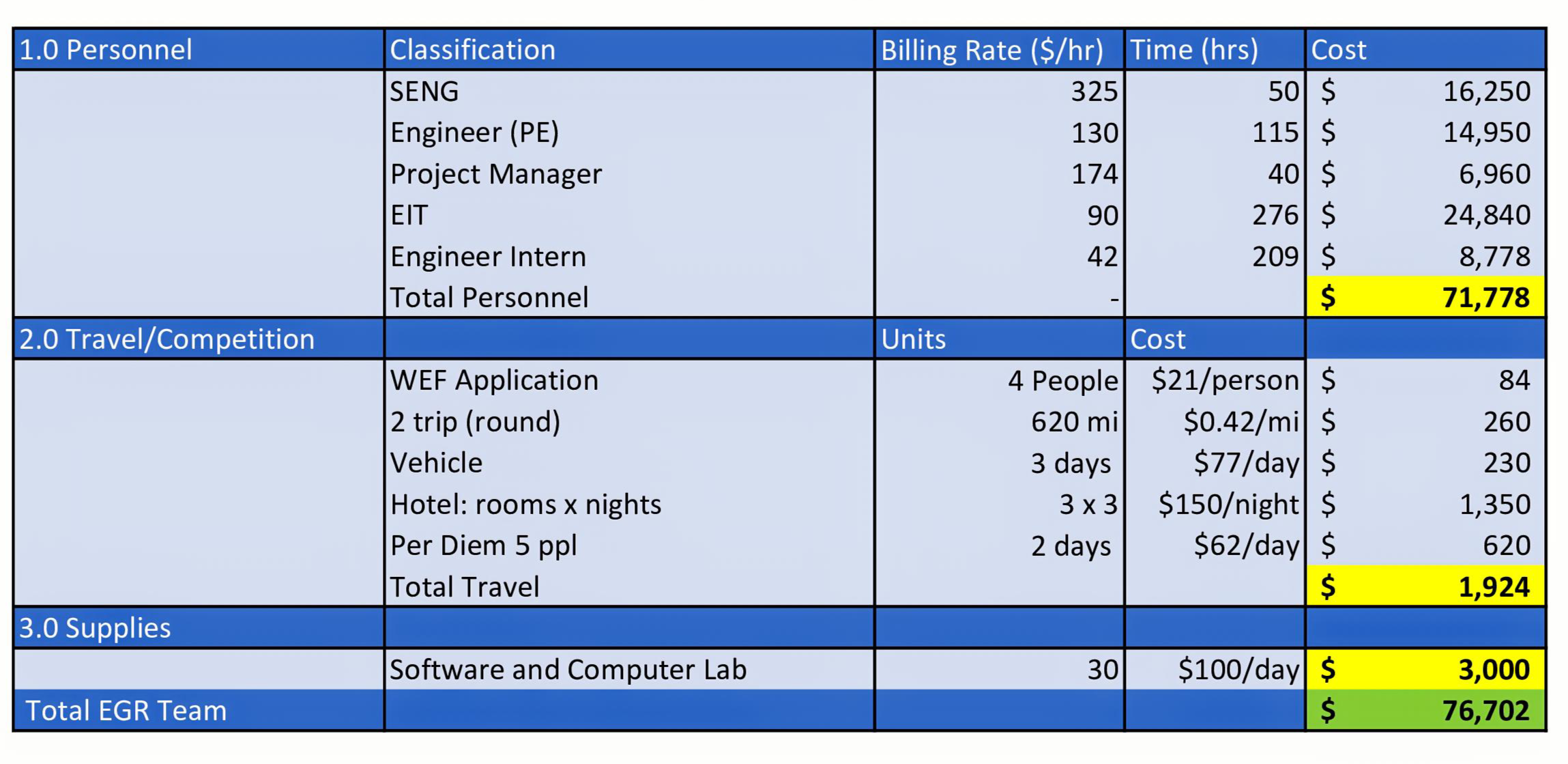
Table 2- Cost of Engineering Services